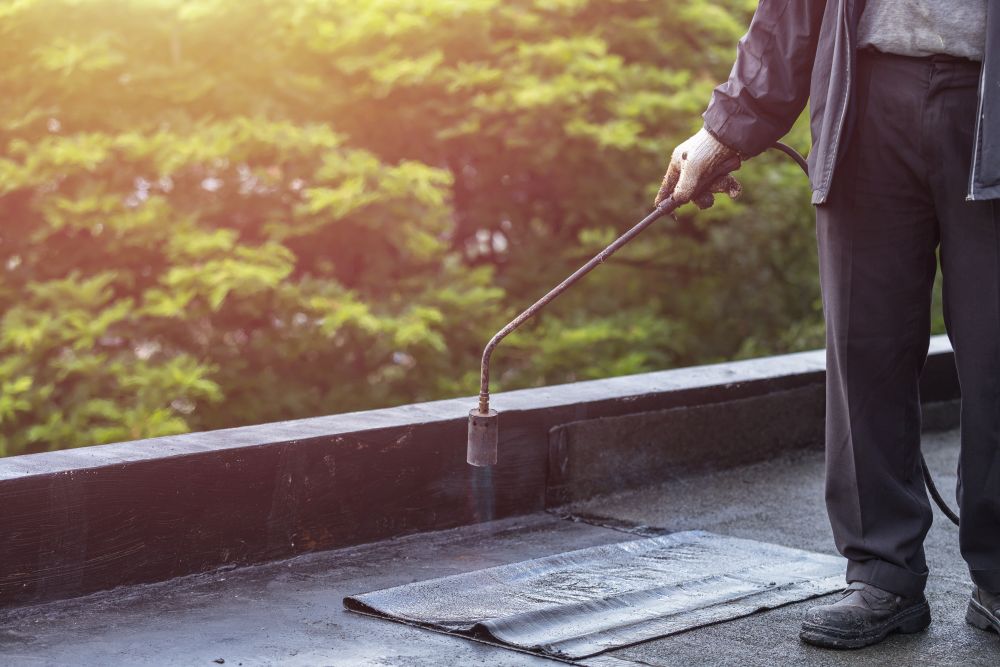
Waterproofing for roofs stands as humanity’s oldest architectural challenge, a testament to our species’ eternal struggle against the elements that have shaped civilisations since we first sought shelter from tropical storms. Consider for a moment the remarkable fact that in Singapore, where annual rainfall exceeds 2,400 millimetres, the thin membrane atop your building represents the sole barrier between comfort and catastrophe, between preservation and decay.
The Physics of Protection
To understand roof waterproofing is to appreciate the intricate dance between water molecules and building materials. Water, that most persistent of substances, seeks pathways through the smallest imperfections with inexorable determination. A crack measuring mere micrometres in width becomes, over time, a channel for thousands of litres. The Building and Construction Authority has documented that inadequate roof waterproofing accounts for approximately 35 per cent of all water ingress cases in Singapore’s buildings, a statistic that speaks to both the challenge’s magnitude and our occasional failure to meet it.
The tropical climate presents a unique cosmic lottery of challenges. Intense solar radiation degrades waterproofing materials through ultraviolet exposure, whilst thermal expansion and contraction create microscopic fissures. Then come the rains, those great tropical downpours that test every seal, every membrane, every carefully constructed defence we have erected against nature’s persistence.
The Architecture of Waterproofing Systems
Modern roof waterproofing represents an elegant solution to an age-old problem. Several distinct approaches have evolved, each addressing specific conditions:
-
Membrane systems
Thin, flexible barriers that form continuous protective layers across entire roof surfaces
-
Cementitious coatings
Dense, rigid applications that bond directly to concrete substrates
-
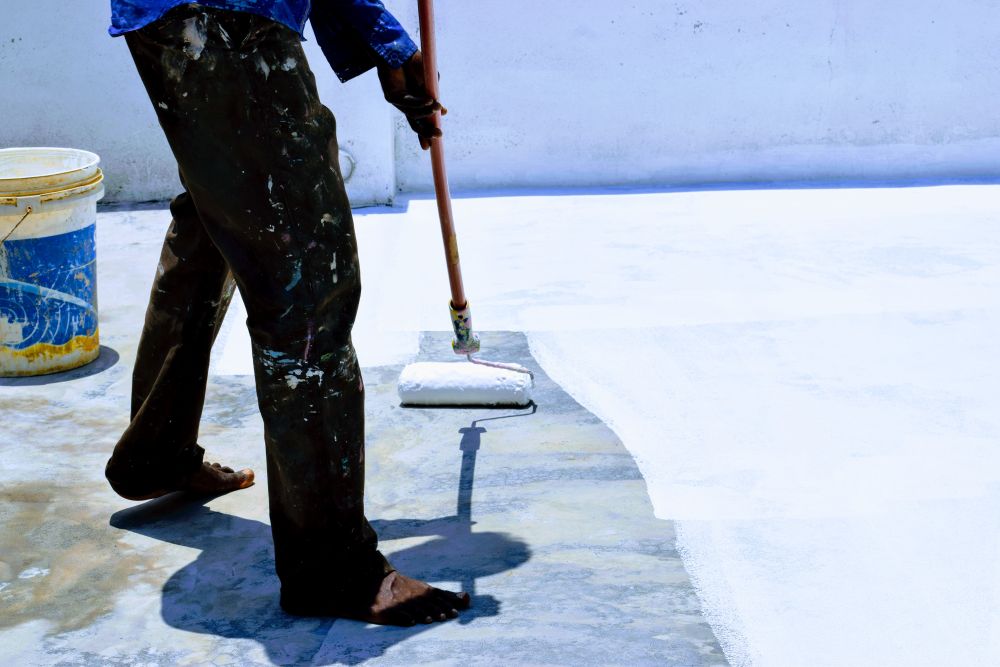
Liquid-applied membranes
Seamless solutions that flow into every contour and corner
-
Bituminous sheets
Traditional materials offering proven durability in tropical conditions
-
Polyurethane coatings
Modern polymers providing elasticity and UV resistance
Each method represents decades of materials science research, countless experiments in laboratories and field conditions, human ingenuity applied to protecting human habitation.
The Timescale of Deterioration
One of the most fascinating aspects of waterproofing for roofs involves the temporal dimension. Degradation occurs not in dramatic failures but through gradual, almost imperceptible processes. Year by year, season by season, the protective barriers we install face relentless assault from multiple directions simultaneously.
The sun’s radiation breaks molecular bonds in synthetic membranes. Rainwater, slightly acidic from atmospheric carbon dioxide, slowly erodes cement-based materials. Fungal and algal growth, those ancient life forms that preceded human civilisation by billions of years, establish colonies that compromise waterproofing integrity. Temperature fluctuations cause expansion and contraction cycles numbering in the thousands annually, each cycle representing another test of material resilience.
Understanding Vulnerability Points
Through decades of observation and analysis, patterns have emerged revealing where roof waterproofing systems most commonly fail:
- Parapet walls and upstand junctions
- Roof drainage outlets and scuppers
- Penetrations for pipes, vents, and equipment
- Expansion joints designed to accommodate structural movement
- Edge details and perimeter flashings
These vulnerable zones require special attention, additional layers of protection, and meticulous installation technique. The Building and Construction Authority emphasises that proper detailing at these critical junctions often determines overall system performance more than the waterproofing material itself.
The Economics of Prevention
Consider the mathematics of maintenance. Preventative roof waterproofing costs, on average, approximately one-fifth the expense of remedial repairs after water damage occurs. This remarkable disparity exists because early intervention addresses only the waterproofing system itself, whilst delayed action requires treating water-damaged concrete, corroded reinforcement, compromised insulation, and affected interior spaces.
Beyond direct costs lies the cascade of consequences. Water ingress damages electrical systems, promotes mould growth affecting indoor air quality, compromises structural integrity, and reduces property values. The full economic impact of failed waterproofing for roofs extends across multiple domains, touching everything from energy efficiency to occupant health.
The Role of Regular Assessment
Singapore’s tropical environment demands vigilant monitoring. Annual inspections, ideally conducted before monsoon seasons, allow early detection of membrane degradation, seal failures, or drainage problems. These assessments need not involve sophisticated equipment; often, visual examination by trained observers suffices to identify developing issues.
Thermal imaging technology now enables detection of trapped moisture within roof assemblies, revealing hidden problems before they manifest as obvious leaks. This represents a remarkable capability, using infrared radiation to perceive what remains invisible to human eyes.
Material Selection and Longevity
The choice of waterproofing materials involves balancing multiple factors: expected service life, maintenance requirements, environmental impact, application complexity, and cost considerations. Some systems offer 20-year performance guarantees, whilst others require renewal every decade. The optimal selection depends on building type, roof accessibility, budget constraints, and long-term maintenance planning.
Modern formulations incorporate UV stabilisers, fungicides, and elastomeric properties that previous generations could scarcely imagine. We stand upon the accumulated knowledge of countless experiments, failures analysed, and solutions refined.
Looking Skyward
The roof represents more than mere shelter; it embodies our relationship with the cosmos above. Through proper waterproofing, we maintain the delicate equilibrium between outdoor and indoor environments, creating spaces where human life flourishes despite external conditions that would otherwise prove inhospitable.
Climate projections suggest intensifying rainfall patterns across Southeast Asia, with more frequent extreme weather events testing our infrastructure in unprecedented ways. The challenge of waterproofing for roofs grows more critical with each passing year, demanding our attention, our resources, and our respect for the forces we seek to manage.
In this light, investing in quality waterproofing for roofs becomes not merely a practical necessity but an acknowledgment of our place in nature’s grand design, a humble recognition that whilst we cannot control the elements, we can prepare thoughtfully for their inevitable arrival.