There are more ways to get rid of something here than most people realise, and choosing the wrong one turns a simple task into a wasted Saturday. The chute takes some things and not others, the town council takes some things by appointment, certain items have a dedicated national scheme, and the rest needs a truck. A sensible approach to waste removal singapore starts by sorting items into routes rather than into piles.
Route One: The Chute and the Bin
Everyday household refuse in a tied bag goes down the chute or into the bin, and that covers the great majority of what a home produces. What does not belong there is anything bulky enough to jam the chute, anything wet enough to burst a bag, anything hot, anything pressurised and anything hazardous. A blocked chute affects an entire stack of flats and the cost of clearing it does not disappear, so when an item is borderline the answer is another route.
Route Two: The Blue Recycling Bin
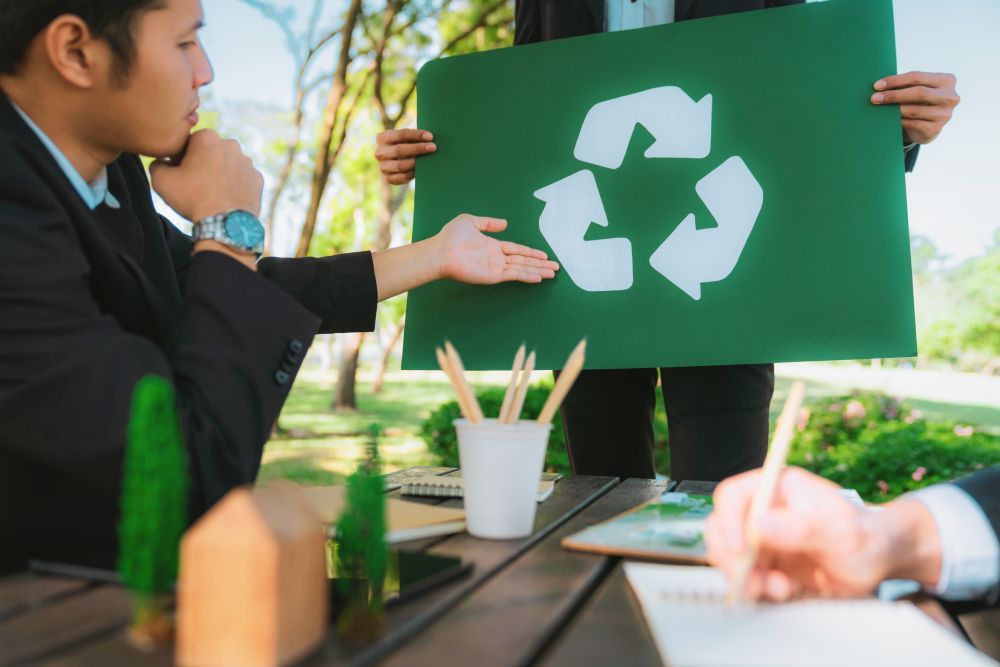
Paper, cardboard, plastic bottles and containers, glass jars and metal cans all go into the commingled blue bin, where they are separated at a recovery facility afterwards. The single rule that matters is cleanliness. Empty and rinse containers, flatten cardboard, and keep food residue out, because a contaminated load can be diverted to general waste in its entirety. Textiles, ceramics, mirrors, disposable food packaging with residue and used tissues do not belong here.
Route Three: Sell, Donate or Give Away
Anything still serviceable has a better destination than a truck. Charities collect furniture, appliances and household goods, some with a pickup service. Neighbourhood giveaway groups clear items within hours, particularly children’s equipment, small furniture and kitchenware. Second-hand marketplaces work well for anything with residual value. This route costs nothing, reduces the volume you are paying to remove, and is faster than most people expect for items in genuinely good condition.
Route Four: Bulky Item Collection
A mattress, sofa, wardrobe, bed frame or large appliance is too big for the chute and should never be left beside a bin centre. Town councils provide bulky item removal for HDB residents, generally with a limited number of free collections per household each month, booked in advance. Private condominium residents arrange collection through the managing agent or a private contractor. Either way it is an appointment, and items left out in the hope of collection become a public cleanliness issue.
Route Five: The E-Waste Scheme
Regulated electronic waste is handled under a national producer responsibility scheme with collection points across the island. The categories cover information and communications equipment, batteries, lamps, and large appliances including refrigerators, washing machines, televisions and air conditioners. Some retailers take back old equipment when delivering a replacement. None of this material should enter a chute or a blue bin, both because of the hazardous components and because the recoverable metals are lost.
Route Six: Hazardous and Special Waste
Paint, solvents, chemicals, fuels, oils, gas cylinders, medical sharps and anything containing asbestos require licensed specialist handling. Pressurised containers are a genuine fire risk in collection vehicles. Asbestos removal in particular is a controlled activity with defined procedures and is not something to attempt during a clearance. If you are unsure whether something qualifies, ask before it leaves the premises rather than after.
Route Seven: Renovation Debris
Concrete, tiles, timber, plasterboard and old fittings are construction waste, and removing them is the contractor’s obligation under the contract and under the rules. It must not go down a refuse chute, which it will block, and doing so can attract enforcement action against the household rather than the contractor. Homeowners carrying out their own works should engage a licensed collector directly and budget for it as part of the job.
Working Out Which Route an Item Takes
Three questions resolve almost every case. Is it still usable by someone else? If yes, it belongs in the sell or donate route regardless of its size. Does it contain a battery, a plug, refrigerant or a chemical? If yes, it goes to the e-waste scheme or to specialist handling, never into a bin. Did it come out of a wall, a floor or a ceiling? If yes, it is construction waste and the contractor owns the problem. Anything left over is ordinary refuse or a bulky item, and the size decides which.
Route Eight: A Private Removal Company
When the volume exceeds what these routes handle comfortably, or when the job needs to be finished in one visit, a licensed contractor is the practical answer. Pricing reflects volume, weight, access and labour, so photographs and an honest description of the floor and lift produce a quote that holds. Ask what the price includes and confirm the operator’s NEA licence before booking. A competent rubbish removal service will also tell you which of your items they cannot take and where those belong.
Putting It Together
Sort by route first, then handle the cheap and free routes yourself over a week, and book a single collection for whatever remains. That sequence keeps the paid volume small and avoids the situation where a crew arrives to remove things a charity would have collected for nothing. Approached this way, waste removal singapore households face is a manageable afternoon rather than the recurring project it often becomes.