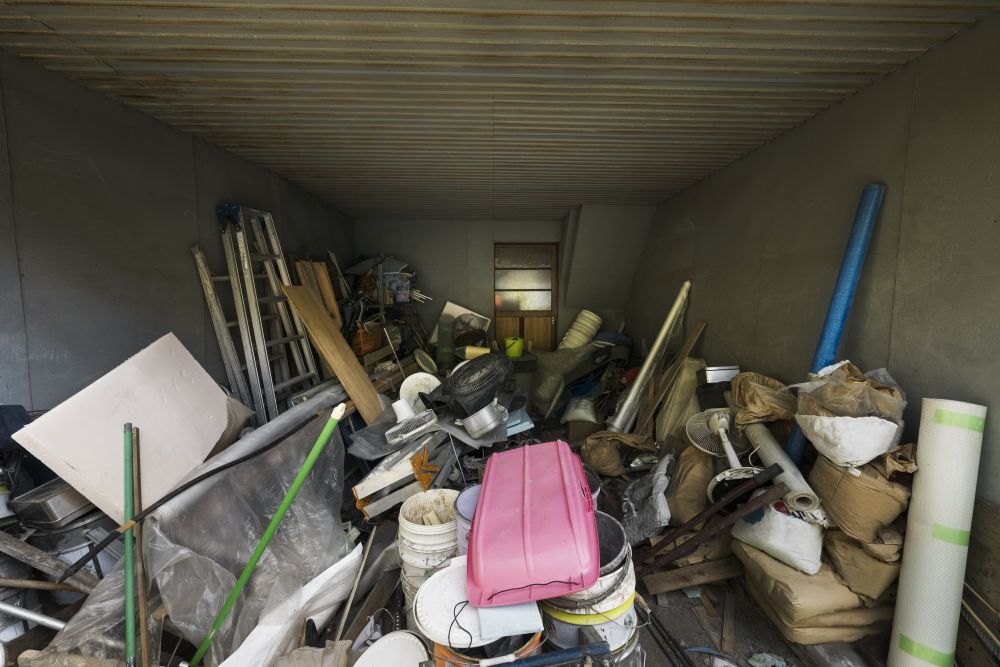
A flat clearance, an office relocation and a renovation strip-out are three different jobs that get booked with the same phone call. They differ in what the material is, who is legally responsible for it, how it must be handled, and what the crew needs to bring. Understanding which category you are in produces a better quotation and a shorter job, because most junk removal singapore problems come from a scope described in the wrong terms.
Residential Clearances
Household work is dominated by furniture, appliances, clothing, kitchenware and years of accumulated paper. The material is light to moderate but the access is often the hardest part, particularly in older walk-up blocks. Sorting matters here more than anywhere else because a large share of what comes out is still usable, and charities, giveaway groups and second-hand marketplaces will take serviceable furniture and appliances, reducing the volume you pay to remove.
Moves, Handovers and Estate Clearances
A tenancy handover has a hard deadline and a deposit attached, so the schedule matters more than the price. Estate clearances after a bereavement need a different pace entirely, with time to sort rather than a single compressed day. In both cases, open every drawer and cupboard before anything is loaded. Documents, jewellery, keys and cash turn up in furniture during clearances with striking regularity, and once an item is on the truck it is unrecoverable.
Office and Commercial Clearances
Relocations and downsizing produce workstations, task chairs, filing cabinets, meeting tables and a large volume of paper and packaging. Two issues arise that do not exist at home. Documents containing personal or commercial information require secure destruction with certification rather than being tipped into a skip. And old computers, servers and copiers hold data on drives that must be wiped or destroyed. Arrange both explicitly rather than assuming the removal company handles them.
IT Equipment and Regulated E-Waste
Computers, monitors, printers, phones, batteries, lamps and large appliances fall under the national producer responsibility scheme for electronic waste and are routed through designated collection channels. This applies to businesses as well as households. Where equipment still functions, refurbishment and donation are worth exploring before disposal. Confirm that your contractor routes e-waste properly, since this is a category where cutting corners is both unlawful and invisible to the client.
Renovation Debris Is a Separate Legal Category
Concrete, tiles, timber, plasterboard, old sanitary ware and cabinetry removed during works are construction and demolition waste. Under a standard renovation contract, disposal is the contractor’s responsibility, and it must not go down a refuse chute, which it will block and which can bring enforcement action against the household rather than the contractor. Homeowners doing their own works should engage a licensed collector directly and price it into the job from the start.
What Cannot Be Taken in a General Collection
Paint, solvents, chemicals, fuels, oils, gas cylinders, medical sharps and any material containing asbestos require licensed specialist handling. Refrigerant-containing appliances need the gas recovered rather than vented. A reputable provider of rubbish clearance services will identify these at the quotation stage and tell you where they belong, rather than accepting everything and dealing with it out of sight.
Retail, F&B and Industrial Units
Commercial tenancies bring their own version of the problem. A retail unit being handed back has fixtures, shelving and signage to strip, usually under a reinstatement clause requiring bare shell condition by a fixed date. A food and beverage unit adds grease-laden equipment, refrigeration containing regulated refrigerant, and hygiene requirements around anything that held food. Industrial units may hold chemicals, oils and pallets in quantity. In all three cases the lease deadline is immovable and the penalty for overrunning is expensive, so these jobs should be scoped weeks ahead rather than in the final fortnight.
Access, Buildings and Timing
Condominiums and commercial buildings require service lift bookings, restrict working hours, control loading bay access and typically hold a deposit against damage to common areas. Some prohibit removals at weekends. Offices frequently have to be cleared outside trading hours entirely. Establish these constraints before agreeing a date, because a crew turned away at the loading bay is a rescheduling charge and a lost day.
Getting an Accurate Quotation
The three facts that determine price are volume, weight and carry distance. Send photographs of every large item and of the general pile, state the floor and whether the lift reaches it, and flag anything unusual such as a safe, a piano or a hoarded room. Ask what the quote includes, whether it is fixed, and what would cause a revision on site. Detailed questions from a contractor before quoting are a good sign, not an obstacle.
Choosing a Contractor
Check the NEA licence, ask how material is separated after collection, and ask for a disposal record if you need evidence of proper handling, which commercial clients often do. Confirm insurance covering damage to the premises. Then judge on how precisely they scoped the job rather than on the headline figure. Done properly, junk removal singapore work should take a fraction of the time you expected and leave you with nothing to sort out afterwards.