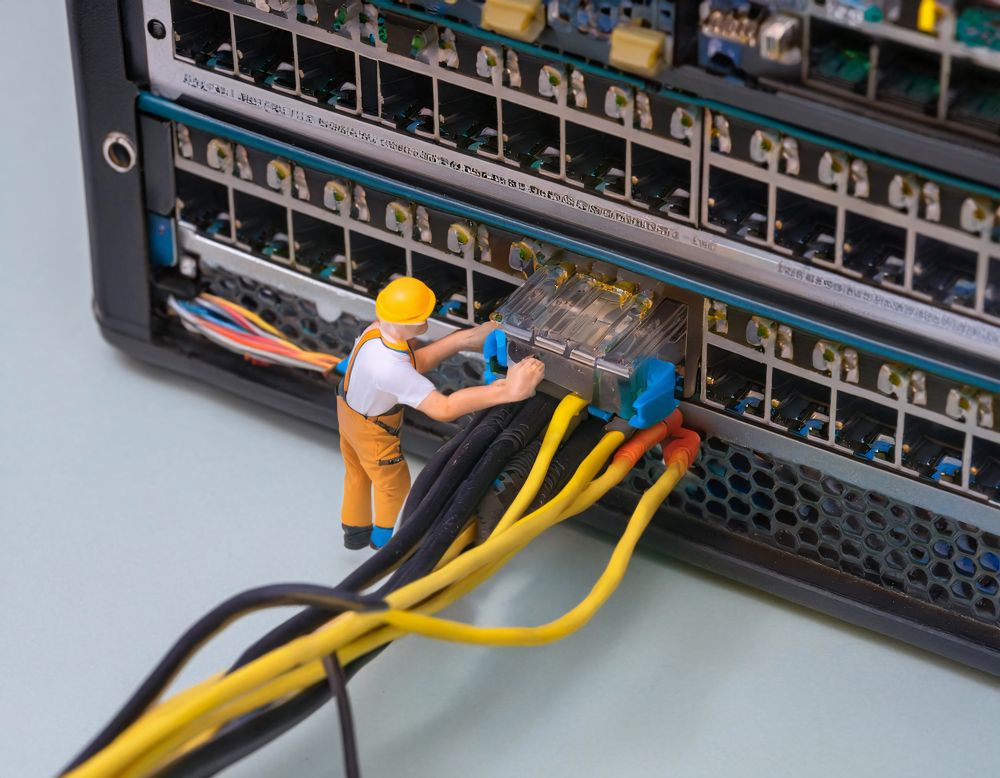
Network cabling service exists at the intersection of infrastructure and performance, where physical architecture of connectivity determines everything from daily productivity to competitive advantage. Each generation believes wireless solutions will eliminate wired infrastructure, yet structured cabling remains fundamental to reliable, high-speed networks. This persistence reflects unchanging physics of data transmission. Wireless networks, however convenient, cannot match the speed, reliability, and security of properly installed cable infrastructure. Understanding why professional cabling matters, what distinguishes quality installations from mediocre ones, and how infrastructure choices shape organizational capability reveals much about how modern offices actually function beneath the surface of apparent wireless convenience.
The Infrastructure Nobody Sees
Walk into any contemporary office and the network appears wireless, almost magical in its invisibility. Employees connect laptops and phones effortlessly, data flows seamlessly, and the entire operation seems to float on radio waves alone. This perception obscures a more complex reality. Behind every wireless access point runs cable carrying the actual data traffic. Those cables connect to switches, routers, and servers, all linked through hundreds of metres of structured cabling hidden in ceilings, walls, and floors.
This hidden infrastructure determines network performance far more than the wireless access points everyone sees. A wireless network can only deliver speeds its cable backbone supports. Congestion, latency, and reliability issues often trace back not to wireless technology but to inadequate or poorly installed cabling that creates bottlenecks.
“Clients frequently blame their wireless network for speed problems when the actual issue is their cabling infrastructure,” explains a network cabling specialist who has designed systems for dozens of Singapore offices. “They installed Cat5e cable ten years ago and wonder why they can’t achieve the speeds their internet service provider promises. The cable physically cannot carry the bandwidth they’re trying to push through it.”
The Technical Evolution of Cabling Standards
Understanding cabling categories clarifies why professional installation matters. Each generation of structured cabling supports progressively higher data transmission speeds:
- Cat5e cable supports up to 1 Gigabit per second, adequate for basic office needs but increasingly insufficient
- Cat6 cable delivers up to 10 Gigabits per second over shorter distances, representing current standard for most offices
- Cat6a cable maintains 10 Gigabit speeds over full 100-metre distances, recommended for future-proofing
- Cat7 and Cat8 cables support even higher speeds primarily for specialised data centre applications
A modern office with cloud-based applications, video conferencing, and collaborative platforms can easily saturate Cat5e infrastructure, creating slowdowns that frustrate employees. Upgrading to Cat6a infrastructure eliminates these bottlenecks whilst accommodating anticipated technology evolution over the next decade.
The Hidden Costs of Poor Installation
The difference between professional cabling installation and amateur work isn’t immediately visible but manifests through performance and reliability over time. Improperly terminated cables create data errors requiring retransmission. Cables run parallel to electrical lines pick up electromagnetic interference. Inadequate cable management creates tangled messes that make troubleshooting impossible and future modifications prohibitively expensive.
“I regularly see installations where someone’s brother-in-law ran cable to save money,” recounts a structured cabling contractor. “The cables are kinked, not properly secured, terminated incorrectly. Then they wonder why their network is unreliable. Eventually they call professionals to redo everything properly, spending far more than if they’d done it right initially.”
The Professional Installation Process
Quality network infrastructure services follow systematic methodology developed through industry standards. The process begins with site assessment understanding space layout, user requirements, equipment locations, and future expansion needs. Design follows, specifying cable routes, termination points, and cable management systems.
Installation itself requires attention to numerous technical details:
- Maintaining minimum bend radius preventing cable damage
- Observing maximum cable run distances ensuring signal integrity
- Properly labelling every cable enabling future identification
- Using appropriate cable management keeping installations organised
- Testing every cable run verifying performance specifications
- Documenting the complete system for future reference
This systematic approach ensures installations meet performance requirements whilst enabling efficient maintenance and future expansion.
Future-Proofing and Strategic Planning
The rapid pace of technology evolution makes future-proofing essential but challenging. Networks installed today must accommodate technologies not yet invented whilst remaining cost-effective. This tension requires balancing immediate needs against anticipated future requirements.
The solution involves installing infrastructure exceeding current requirements by a calculated margin. Deploying Cat6a cabling when Cat6 might suffice today provides headroom for future bandwidth demands. Installing additional cable runs to strategic locations enables quick expansion without disruptive construction.
“The networks that serve organisations well over decades are those designed with expansion capacity built in,” observes a cabling infrastructure professional. “You’re not trying to predict every future technology, just ensuring your infrastructure can adapt as needs evolve without requiring complete replacement.”
The Return on Infrastructure Investment
Quality cabling infrastructure represents capital expenditure that produces returns through enhanced productivity, reduced IT support costs, and deferred replacement needs. Employees with reliable, fast connectivity accomplish more work. IT departments spend less time troubleshooting network issues. Infrastructure lasting fifteen years costs substantially less annually than systems requiring replacement every five years.
These returns rarely appear in simple ROI calculations yet materially affect organisational performance. The competitive advantage conferred by infrastructure enabling rather than impeding work should factor prominently into decisions about whether to invest appropriately in professional network cabling service or accept the false economy of inadequate installations that create ongoing operational burdens far exceeding any initial savings.