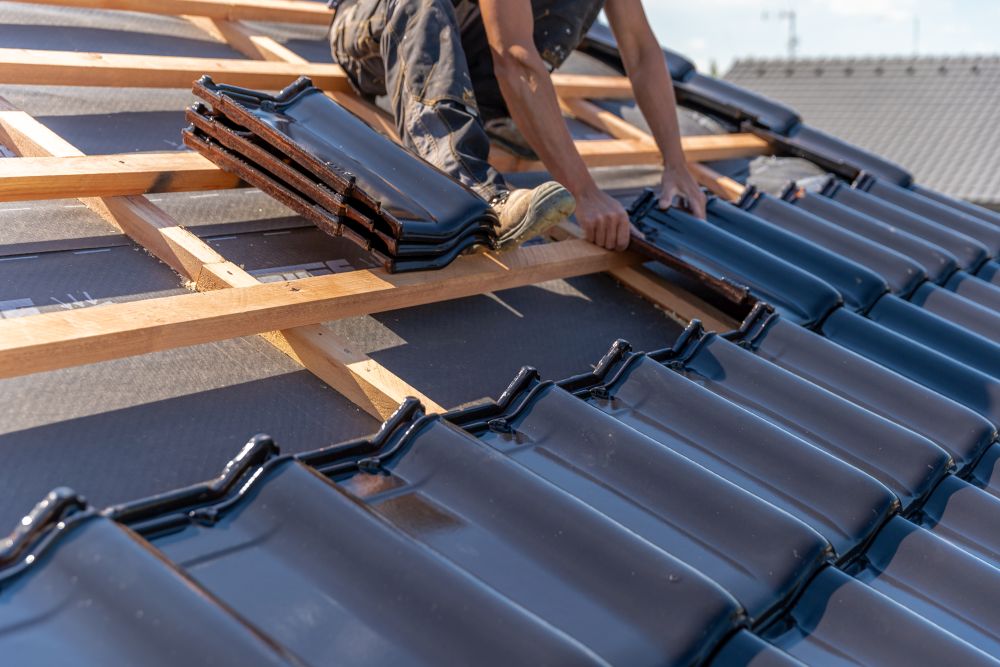
The story of every building begins with its roof, that essential barrier between human endeavour and the elements above. Throughout Singapore’s history, from the pitched clay tiles of colonial shophouses to the modern flat decks crowning contemporary condominiums, roofs have stood as the first line of defence against tropical storms, relentless sun, and monsoon deluges. Yet the need for roof repair remains a constant in this narrative, a reminder that even our most fundamental protections require vigilance, understanding, and timely action to fulfil their purpose across the decades.
The Architecture of Deterioration
Understanding when a roof requires attention begins with recognising how damage manifests itself. Unlike sudden catastrophes, most roofing failures develop gradually, announcing themselves through subtle indicators that the observant property owner learns to recognise.
The signs reveal themselves in patterns both visible and hidden:
- Water stains spreading across ceilings, their edges darkening as moisture penetrates
- Missing, cracked, or curling tiles that expose underlayment to weather
- Granules from deteriorating roof coverings collecting in gutters and downpipes
- Sagging sections indicating structural compromise or water accumulation
- Daylight visible through roof boards when viewing from interior spaces
- Moss and algae growth suggesting persistent moisture retention
Singapore’s Building and Construction Authority maintains strict standards for roofing systems, recognising that in this climate of intense heat and sudden storms, roof repair cannot be delayed without consequence. The tropical environment accelerates deterioration that might take decades in temperate zones, compressing years of wear into months of exposure.
The Historical Pattern of Roof Failure
Every roof tells a story through its condition, and those who understand this narrative can read the signs of impending trouble. The flat concrete decks common in Singapore face particular challenges, as standing water becomes the enemy of waterproofing membranes whilst ultraviolet radiation breaks down protective coatings.
Traditional pitched roofs encounter their own difficulties. Clay and concrete tiles crack under thermal stress as temperatures soar then plummet with tropical downpours. Metal sheeting expands and contracts, loosening fasteners and creating entry points for moisture. The pattern repeats itself across the island with predictable regularity, yet each instance carries its own urgency.
Consider the progression: a single damaged tile allows water beneath the outer layer. This moisture saturates roof felt or underlayment. Wooden battens begin to rot. The structural deck weakens. Interior damage follows. What begins as a minor defect requiring simple roof restoration evolves into a comprehensive reconstruction project affecting multiple building systems.
The Critical Moments for Action
Timing distinguishes successful preservation from costly emergency intervention. Certain circumstances demand immediate attention from qualified roofing contractors, whilst others permit scheduled maintenance during dry seasons when work proceeds most effectively.
Seek urgent professional assessment following these events:
- Severe weather including intense storms or unusually strong winds
- Discovery of interior water damage or active leaking during rainfall
- Structural movement or settlement affecting roof alignment
- Fire or impact damage compromising roof integrity
- Sudden appearance of multiple failure points across different roof sections
Regular inspections serve property owners well, particularly before and after monsoon seasons when Singapore experiences its heaviest rainfall. The Housing and Development Board recommends annual inspections for older properties, a practice that private building owners would be wise to adopt. These scheduled examinations catch developing problems whilst they remain manageable, transforming potential disasters into routine maintenance items.
The Craft of Proper Assessment
Professional evaluation differs markedly from casual observation. Trained specialists examine not merely visible surfaces but the complete roofing assembly, understanding how each component interacts with others to create a functioning system.
A thorough assessment encompasses substrate condition, fastener integrity, flashing adequacy at penetrations and edges, drainage system functionality, and membrane or covering material condition throughout its service life. This comprehensive approach reveals problems invisible to untrained observers, problems that nevertheless threaten the structure they protect.
The Economics of Timely Intervention
The mathematics of roof maintenance favour prevention over procrastination. A minor repair addressed promptly might cost hundreds of dollars and preserve a roof for years. That same defect ignored transforms into damage requiring thousands for remediation, often accompanied by interior repairs to ceilings, walls, and furnishings damaged by water intrusion.
Singapore’s climate offers no grace period for indecision. Moisture penetrates quickly, mould establishes itself within days, and structural damage follows with alarming speed. The property owner who acts decisively upon discovering problems invariably fares better than one who delays, hoping minor issues will somehow resolve themselves.
The Wisdom of Documentation
Maintaining detailed records of all roofing work performed creates invaluable historical documentation. These records guide future maintenance decisions, support warranty claims, and demonstrate responsible property stewardship during transactions. Note dates of installations, materials used, contractors employed, and problems addressed. This documentation becomes part of the building’s story, informing those who will care for it in years to come.
The Enduring Responsibility
The roof above represents more than mere construction materials assembled according to architectural plans. It embodies the fundamental human need for shelter, the practical application of engineering principles, and the ongoing responsibility of property ownership. In Singapore’s demanding climate, where nature tests every building system continuously, the roof deserves particular attention and respect.
Those who understand this reality, who watch for signs of trouble and respond with appropriate urgency, preserve not only their property’s value but its essential function as refuge from the elements. The decision to address roofing problems promptly or delay indefinitely shapes outcomes far beyond the immediate repair itself. In this choice lies the difference between buildings that endure and those that deteriorate, between responsible stewardship and costly negligence. Every property owner eventually faces the moment when professional roof repair becomes not optional but imperative, and wisdom lies in recognising that moment before it becomes a crisis.