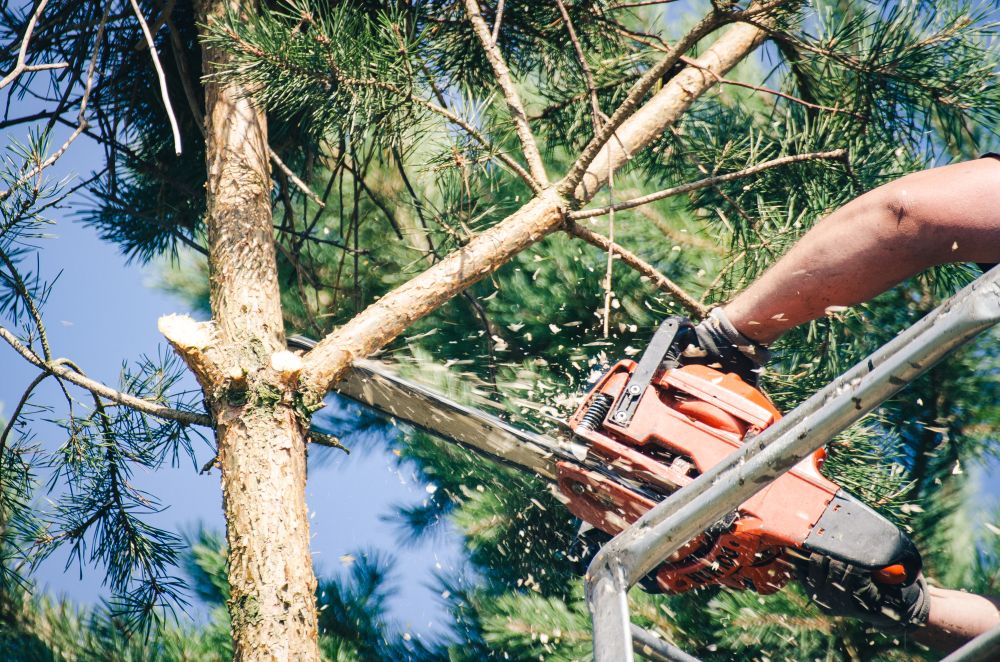
Tree cutting is one of those tasks that looks straightforward from a distance but reveals its complexity the moment you look closely. In Singapore, where trees are not merely decorative but form a critical part of the city’s ecological and thermal infrastructure, decisions about when and how to remove or cut back trees carry real consequences. Getting it right requires knowledge, preparation, and a serious respect for the risks involved. Getting it wrong can mean injury, structural damage, or the unnecessary loss of trees that took decades to grow.
Understanding When Tree Cutting Is Actually Necessary
Not every overgrown or damaged tree requires removal. Sound arboricultural judgement begins with distinguishing between trees that can be rehabilitated through targeted pruning and those that pose genuine risks if left standing. Professional tree cutting becomes necessary in a defined set of circumstances.
Structural instability
Trees with compromised root systems, significant trunk decay, or major storm damage may be beyond recovery and require removal before they fall unpredictably.
Disease and pest infestation
When disease has spread extensively through a tree’s vascular system, cutting may be the only way to prevent transmission to neighbouring vegetation.
Proximity hazard
Trees growing into power lines, building facades, drainage infrastructure, or pedestrian pathways present ongoing safety risks that selective cutting or full removal must address.
Construction and development
Site works occasionally require tree removal, though in Singapore this process is strictly governed and cannot proceed without appropriate authorisation.
Obstructed light and airflow
In dense planting schemes, overcrowding can suppress growth and increase disease pressure across multiple trees, making selective tree removal a sound ecological decision rather than a destructive one.
The key principle is proportionality. The least invasive intervention that resolves the problem is almost always the right one.
Singapore’s Regulatory Framework for Tree Works
Singapore takes its tree canopy seriously. The National Parks Board (NParks) oversees the protection and management of trees across the city-state, and its guidelines carry legal weight. Any tree cutting works involving trees in public spaces, along roadsides, or within conservation areas must comply with NParks requirements, which include assessment by qualified arborists and, in many cases, formal permit applications before work begins.
NParks maintains a register of heritage trees, which are afforded the highest level of protection. These specimens, some of which have stood for well over a century, cannot be cut or removed without exceptional justification and explicit approval. Beyond heritage trees, the regulatory framework reflects a broader civic commitment: Singapore’s urban greenery is a public asset, and its stewardship is a shared responsibility.
For private property owners, the obligations are equally clear. Trees that overhang public land or affect shared infrastructure fall within NParks jurisdiction regardless of where they are rooted. Engaging a qualified team that understands these frameworks is not optional. It is the baseline requirement for responsible tree management.
Key Safety Considerations Before Any Tree Cutting Begins
The physical risks of tree cutting operations are substantial. Falls, struck-by incidents involving falling branches, equipment failures, and contact with power lines account for serious injuries and fatalities in this industry worldwide. In Singapore’s humid conditions, where timber can be damp and heavy, and where working at height is a near-constant requirement, rigorous safety planning is non-negotiable.
Before any work begins, the following considerations must be addressed:
Site assessment
A qualified arborist should evaluate the tree’s structure, lean, root condition, and surrounding hazards before any cutting plan is developed.
Exclusion zones
Pedestrians, vehicles, and bystanders must be kept well clear of the work area. Falling debris travels further than most people expect.
Equipment integrity
Chainsaws, ropes, harnesses, and aerial platforms must be inspected before each use. Fatigued or defective equipment is a leading contributor to preventable accidents.
Utility identification
Power lines, underground cables, and water pipes must be identified and accounted for in the work plan. Contact with live electrical infrastructure is among the most serious risks in tree felling operations.
Emergency protocols
Even well-planned jobs can encounter unexpected complications. Teams should have clear procedures for medical emergencies, including communication protocols and access routes for emergency services.
Qualified personnel
In Singapore, workers conducting tree works at height are required to hold relevant safety certifications. This is a legal requirement, not an optional credential.
What Happens After the Cut
Responsible tree cutting practice does not end when the last branch falls. Proper disposal of green waste, stump grinding or treatment to prevent regrowth and pest colonisation, and site restoration are all part of a complete service. In Singapore, green waste from tree works should be managed in accordance with NParks and National Environment Agency guidelines, with composting and chipping preferred over landfill disposal where possible.
For trees removed from sensitive ecological zones, replanting may be required as a condition of the permit. This reflects Singapore’s commitment to maintaining its green canopy coverage even as development and maintenance works proceed. A responsible team will advise on appropriate replacement species suited to local conditions and the specific site context.
Conclusion
Trees are not obstacles. They are infrastructure, in the truest sense of the word, providing shade, filtering air, managing stormwater, and supporting urban biodiversity in ways that no built structure can replicate. When intervention becomes necessary, it should be approached with expertise, compliance, and care. Whether you are managing a single specimen in a private garden or overseeing a large-scale clearance for development, the standards are the same: assess carefully, plan thoroughly, and execute safely. That is the only responsible approach to tree cutting.