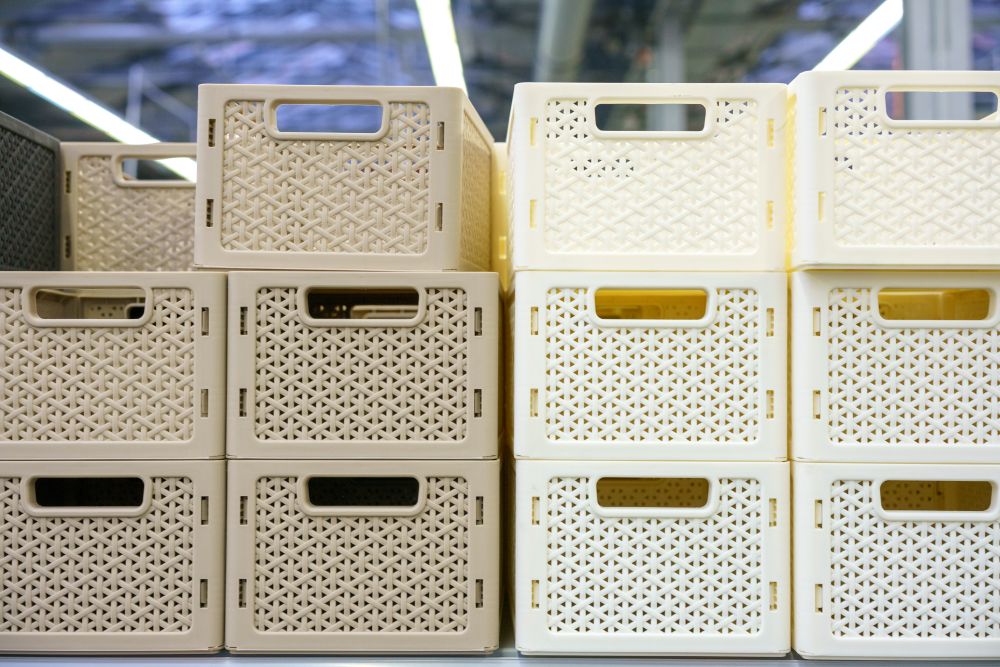
A storage box with a lid seems like the simplest object in a home or workplace, yet it solves a surprisingly stubborn problem: keeping things contained, protected, and easy to find later. Dust, moisture, pests, and general clutter all get worse the longer items sit exposed on an open shelf. Whether the box is holding festive decorations in a Singapore apartment or spare parts in a warehouse aisle, the lid is doing more work than people give it credit for. It is easy to overlook this kind of packaging precisely because it works quietly in the background, yet the moment a lid stops sealing properly or a box cracks under a stack, its importance becomes obvious very quickly.
A Simple Object Solving Two Very Different Problems
At home, storage boxes tend to deal with seasonal items, documents, and things that get used occasionally but need protecting the rest of the year. In a business setting, the same basic design handles inventory, spare components, or bulk supplies that need to stay organised across a much larger footprint. The underlying need is identical in both cases: keep contents clean, keep them separated from other items, and keep them easy to retrieve without digging through a pile. What changes between the two settings is scale, frequency of access, and how much abuse the box needs to withstand.
Keeping a Home Kitchen and Storeroom in Order
In a typical Singapore home, storage boxes end up holding everything from dried goods and baking supplies to seasonal items like Chinese New Year decorations or spare bedding. A lid keeps out dust and household pests that a loose cloth cover or open basket cannot manage. Stackable boxes also make a real difference in smaller flats where storeroom or shelf space is limited, letting households build upward instead of spreading items across the floor. Clear or translucent boxes add a practical bonus by letting someone see what is inside without opening every single container during a search.
Supporting Inventory and Supplies in a Business Setting
Businesses lean on storage boxes with lids for reasons that overlap with home use but scale up considerably. A retail stockroom might use them to separate seasonal merchandise from everyday stock, while a workshop uses them to keep small parts, tools, or hardware sorted by type. The lid becomes even more important in a commercial setting because it protects contents from dust, moisture, and the general wear of a busier, more heavily trafficked space. Many operations sourcing at scale look toward durable storage solutions built for industrial use precisely because household-grade boxes were not designed to survive daily handling in a warehouse or production floor.
Durability Matters More Than People Expect
A box that cracks after a few months of use ends up costing more than a slightly pricier option that lasts for years. This is true whether the box sits quietly in a home storeroom or gets moved around a warehouse multiple times a day. Material quality affects how well a box resists impact, how the lid holds its seal after repeated opening and closing, and whether the walls warp under the weight of stacked boxes above it. Businesses in particular feel this difference quickly, since a box that fails under load can damage whatever is stored inside it and disrupt a whole shelving system.
Protecting Contents From Singapore’s Climate
Humidity is a constant factor in Singapore, and it affects stored items far more than people realise until something turns musty or a pest problem shows up unexpectedly. A properly sealed lid keeps moisture out of paper documents, dried goods, and textiles that would otherwise absorb dampness from the surrounding air over time. Businesses storing sensitive stock, such as printed materials or anything with metal components prone to rust, rely on that seal even more heavily since spoiled inventory represents a direct loss rather than just an inconvenience. Even at home, a sealed box protecting seasonal clothing or documents through a humid year makes the difference between items staying usable and items needing to be thrown out.
Making the Most of Limited Space Through Stacking
Space efficiency is one of the most underrated benefits of a well-designed storage box. Uniform dimensions mean boxes stack cleanly without wasted gaps, which matters enormously in Singapore where both residential and commercial space come at a premium. A warehouse that standardises on a small range of box sizes can plan shelving and floor space far more precisely than one using a mismatched collection of containers. At home, the same principle applies on a smaller scale, letting a single storeroom shelf hold noticeably more without becoming a mess of oddly shaped items.
Picking the Right Size and Lid Style for the Job
Not every storage box needs the same lid design. Snap-on lids offer a fast, secure close for items accessed frequently, while boxes with more rigid, interlocking lids suit long-term storage where the contents will not be touched for months. Size matters just as much, since an oversized box for a small item wastes space and an undersized one leads to overstuffing and cracked lids. Thinking about how often a box will be opened, what it needs to protect against, and how it will sit alongside other boxes helps narrow down the right choice before buying in bulk.
Storage boxes with lids earn their keep by being unremarkable in the best possible way, quietly protecting whatever is placed inside them without demanding much attention. Homes benefit from the tidiness and pest protection they bring to kitchens and storerooms, while businesses depend on them to keep inventory organised and accessible across much larger operations. Getting the size, lid style, and material right from the start means fewer replacements and a system that actually holds up under real daily use.