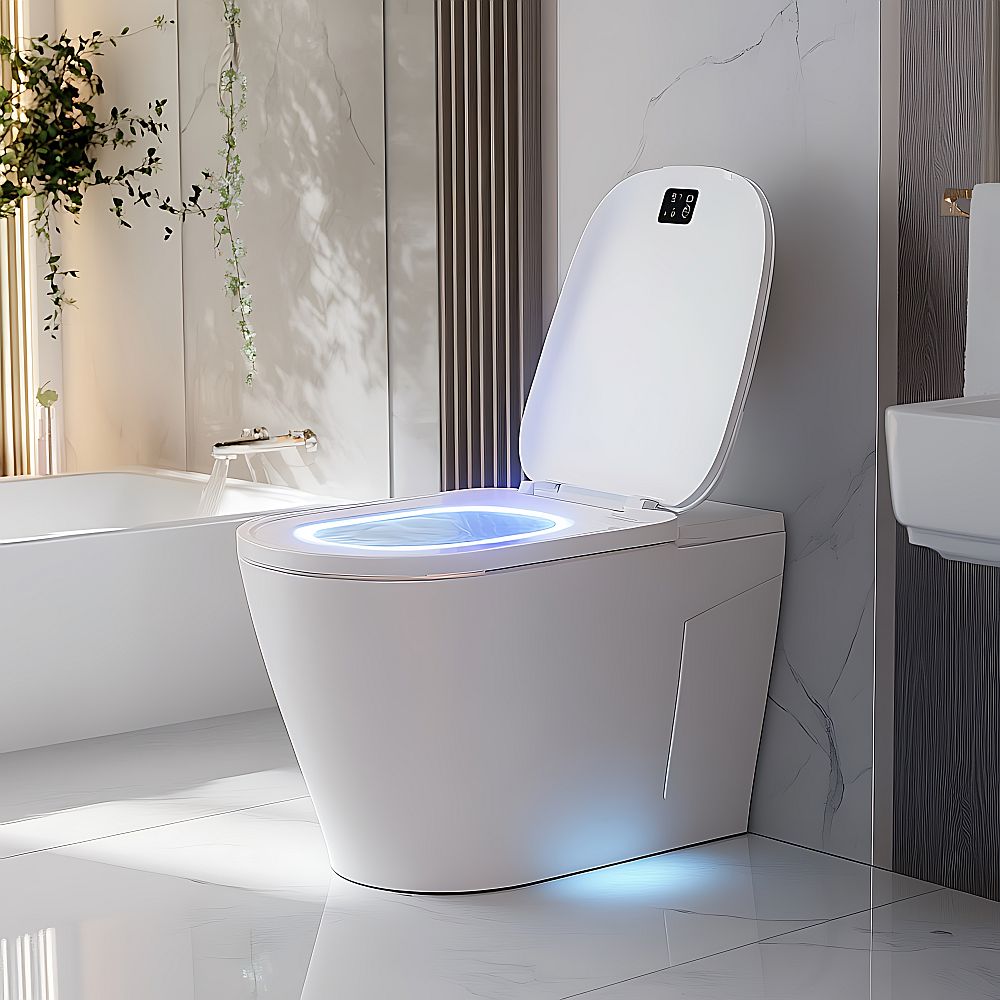
The smart toilet system emerges from our collective anxieties about cleanliness, efficiency, and the relentless datafication of the most private human moments. In a world where every gesture becomes a data point, even our most intimate bodily functions are now subjects of algorithmic surveillance and optimisation. These technological interventions in our lavatorial landscapes promise hygiene, sustainability, and convenience, yet they also reveal the deeper contradictions of how we organise public space in an age of perpetual monitoring.
The Architecture of Algorithmic Ablution
Intelligent lavatory technology transforms the humble toilet into a node of information gathering, where sensors detect everything from occupancy levels to air quality metrics. These systems employ a constellation of monitoring devices that track human presence, measure ammonia concentrations, and analyse usage patterns with the clinical precision of a laboratory experiment. The toilet, once a sanctuary of solitude, becomes a site of constant measurement and evaluation.
In Singapore’s pioneering approach to restroom management, the “Happy Toilet Programme” exemplifies this technological transformation. The Restroom Association of Singapore has implemented what they term “Detect, Feedback, Eliminate, Clean (DFEC) features for Smart Washrooms” that utilise IoT sensors to monitor facility conditions in real-time. This system represents more than mere convenience; it embodies a philosophy of predictive maintenance that seeks to anticipate human needs before they become conscious desires.
The Sensors That Watch Us Relieve
Modern automated toilet infrastructure relies on an intricate web of surveillance mechanisms that would make Bentham’s panopticon seem quaint by comparison. These digital bathroom systems deploy:
• Ammonia sensors that detect odour levels and trigger cleaning protocols
• People counting devices that monitor foot traffic and usage density
• Motion detectors that track occupancy patterns throughout the day
• Fill-level sensors for consumables like soap, paper, and sanitiser
• Waste bin monitors that alert staff when emptying is required
The data collected from these networked facilities creates what we might call a “toilet panopticon”, a system of comprehensive monitoring that renders visible every aspect of our most private moments. Singapore’s implementation of these “smart washroom solutions includes ammonia sensors, people counters, motion sensors and trash bin sensors, demonstrating how the logic of optimisation colonises even our most fundamental biological needs.
The Economics of Intelligent Infrastructure
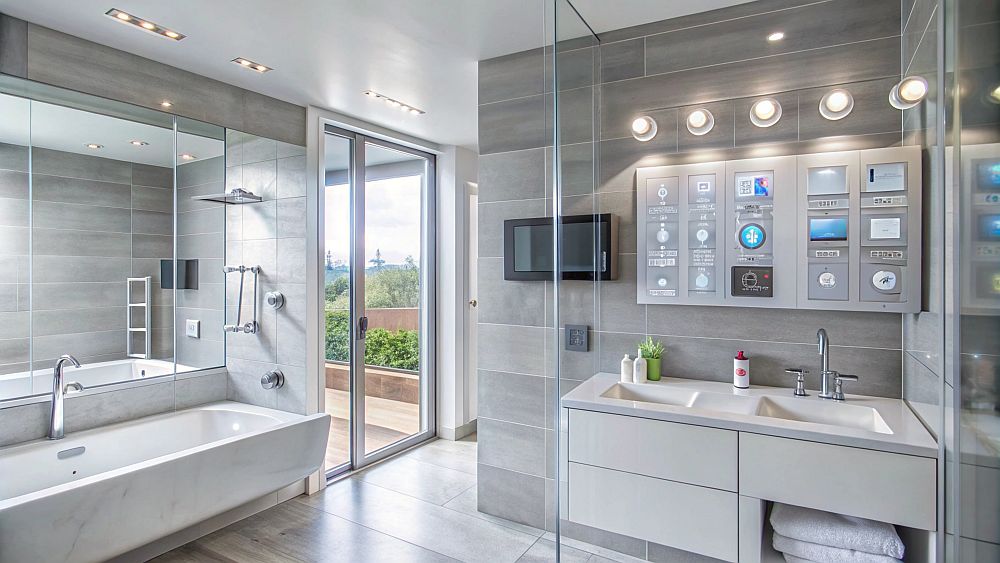
Behind the rhetoric of enhanced user experience lies a more prosaic truth: these intelligent restroom systems primarily serve the interests of facilities management and cost reduction. The promise of “optimised allocation of resources such as manpower based on the utility of each facility” reveals how technological solutions often mask what are fundamentally questions of labour and resource distribution.
The shift from scheduled to on-demand cleaning represents a profound transformation in how we organise maintenance work. Workers no longer follow predictable routines but instead respond to algorithmic commands generated by sensor data. This creates what might be termed “just-in-time hygiene”, a system where human labour becomes subordinated to the temporal demands of digital monitoring systems.
Privacy in the Age of the Surveilled Lavatory
The most troubling aspect of sophisticated bathroom technology lies not in what it reveals about our bodily functions, but in how it normalises the idea that no space, however intimate, remains beyond the reach of data collection. When we accept sensors in our toilets, we implicitly consent to a world where privacy becomes an increasingly rare commodity.
These computerised sanitation systems collect vast amounts of information about usage patterns, dwell times, and facility preferences. Whilst this data ostensibly serves hygiene and efficiency, it also creates detailed profiles of human behaviour in spaces traditionally considered private. The transformation of toilets into data-gathering infrastructure represents a troubling expansion of surveillance capitalism into the most fundamental aspects of human existence.
Environmental Rhetoric and Technological Solutionism
Proponents of advanced toilet technology often frame these systems in terms of environmental sustainability and resource conservation. The ability to monitor water usage, optimise cleaning schedules, and reduce waste undoubtedly offers genuine benefits. However, this environmental rhetoric can obscure the ways that technological solutions often displace rather than solve underlying problems.
The environmental benefits of smart lavatory systems must be weighed against the ecological costs of manufacturing, maintaining, and eventually disposing of the sensors, networks, and digital infrastructure that make them possible. The promise of efficiency through technology often creates new forms of consumption and waste that remain hidden from view.
The Future of Facilities Management
As these advanced restroom technologies become more prevalent, they reshape not only how we experience public toilets but also how we understand the relationship between technology, privacy, and public space. The integration of artificial intelligence and machine learning into bathroom management systems promises even more sophisticated forms of prediction and control.
Singapore’s experience with “qualified assessors appointed by RAS to conduct grading assessment” suggests a future where algorithmic systems may eventually replace human judgment in evaluating facility quality. This raises profound questions about who benefits from these technological transformations and what kinds of social relations they make possible or foreclose.
The intelligent toilet represents more than a mere convenience; it embodies a vision of social organisation where efficiency, surveillance, and technological control become normalised aspects of daily life. As we continue to integrate these systems into our built environment, we must ask not simply whether they work, but whether the world they create is one in which we wish to live. The future of public hygiene lies not merely in the sophistication of our smart toilet system, but in our collective ability to imagine alternatives that serve human dignity rather than merely technological possibility.